Your complete visitor guide to Cabárceno Natural Park
Cabárceno Natural Park in Cantabria, Spain, is a large wildlife park where animals from around the world live in spacious, semi-free enclosures across a former open-pit mining landscape. Spread over approximately 750 hectares, the park is best explored by driving between animal habitats, stopping at viewpoints and taking the cable car for panoramic views.
You can explore independently with a Cabárceno Natural Park entry ticket , which includes access to the park and its cable car, or choose a small-group guided tour from Santander with hotel transfers, park entry and a guide. The best option depends on how much time you have and whether you have your own transport.
Cabárceno Natural Park at a glance
- Opening hours: Vary by season, day, and holiday. Check the current schedule before visiting.
- Recommended visit duration: Allow around 6–8 hours for an independent visit, including time to travel between animal areas, ride the cable car, and take breaks.
- Location: Cabárceno, in the municipality of Villaescusa, Cantabria, around 15–30 minutes by car from Santander, depending on traffic and your entrance.
- Getting around: Driving between the park's spread-out animal areas is the most flexible option. Expect a mix of short drives and walks rather than one continuous walking route.
- Cable car: Access is included with both of our Cabárceno experiences. Operating hours and queues can vary.
- Best option without a car: The small-group guided tour from Santander includes hotel pickup and drop-off, cable car access with a guide.
- Facilities: Designated parking areas, restaurants and cafeterias, restrooms and picnic areas are available around the park.
Jump to what you need
When to visit and how to plan your day at Cabárceno
How do you get around Cabárceno Natural Park?
What is Cabárceno Natural Park worth visiting for?

Flagship mammal zones
Habitat focus: Large animal enclosures
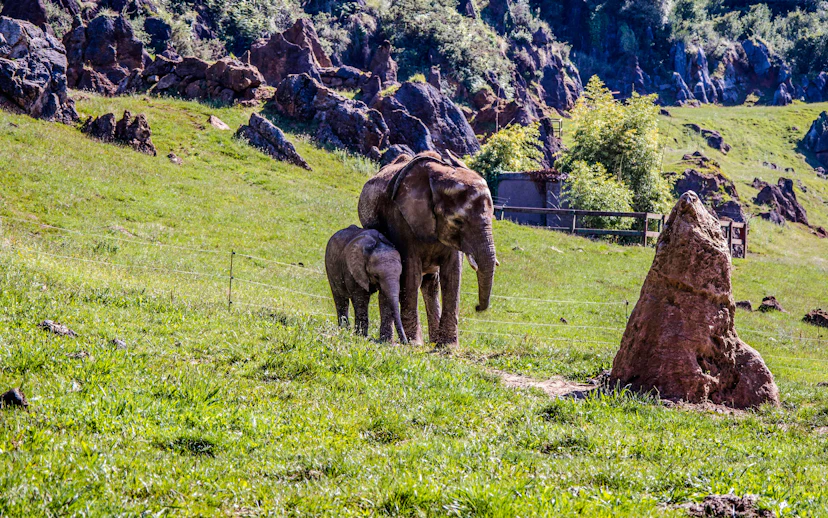
These headline habitats set the tone for the visit and are usually the most rewarding early stops in the day. They show why Cabárceno feels more like a landscape-scale wildlife drive than a compact zoo. Many visitors rush past the viewing rhythm, but the payoff comes from stopping selectively rather than constantly moving.
Where to find it: Prioritize the major animal zones soon after entering from the Main or East Entrance.
Cable car views
Experience type: Panoramic aerial ride
The cable car gives you the clearest sense of Cabárceno's scale and helps connect the separate ground-level zones into one mental map. It is not just a scenic extra; it can reset your route and improve the rest of your day. Most visitors miss its planning value by treating it as a final add-on instead of a mid-visit orientation tool.
Where to find it: Use the park's cable car during the core middle stretch of your route.
Birds-of-prey demonstration
Experience type: Scheduled live demonstration
When offered, this is one of the day's strongest fixed-time experiences and worth planning around. It adds structure to a park that otherwise feels very open-ended and can become the anchor that organizes your route. Visitors who forget to check the schedule often leave feeling they missed one of the most memorable moments.
Where to find it: Check the daily program and route yourself toward the demonstration area ahead of the scheduled slot.
Bear area and secondary stops
Zone type: Flexible follow-on habitats and viewpoints
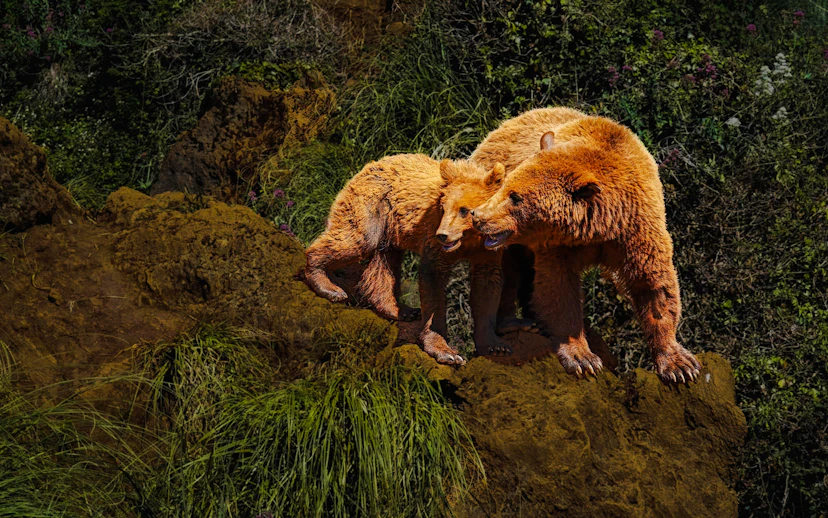
These are the stops that round out the visit once you have covered the main headline experiences. The bear area, gardens, and scenic overlooks work especially well after lunch or as lower-pressure additions late in the day. Many visitors underestimate how useful these zones are for pacing and recovery between bigger anchors.
Where to find it: Fit them into the second half of the day after the main mammal zones and cable car.
Facilities and accessibility
Rules and restrictions
Practical tips for visiting Cabárceno Natural Park
- Choose how to visit: Book the entry ticket if you want to explore independently. If you are staying in Santander and prefer not to drive, choose the small-group guided tour with hotel transfers.
- Check schedules before arrival: Review the cable car timings and birds-of-prey demonstration schedule, as both vary by season and day.
- Plan your route: Cabárceno is spread across a large area, so group nearby animal habitats together and allow time to drive between stops.
- Allow enough time: Set aside most of the day for an independent visit. The guided tour from Santander lasts approximately 5 hours, including transfers.
- Plan food and breaks: Check which dining outlets are open on your visit date. If you want to bring your own food, you can eat at designated picnic areas at the park during your visit.
- Use the park map: Check the map before starting your route so you can locate animal habitats, parking areas, and cable car stations.
What else is worth visiting in Cantabria?
Eat, shop and stay near Cabárceno
Frequently asked questions about visiting Cabárceno Natural Park
Allow around 6–8 hours for an independent visit, including time to explore animal habitats, ride the cable car, and take breaks. The guided tour from Santander lasts approximately 5 hours, including transfers, so the visit follows a more structured schedule.
Booking your entry ticket in advance helps you plan your visit, particularly during summer, holidays, and busy weekends. If you prefer not to arrange your own transport, consider the guided tour from Santander, which includes park admission and hotel pickup and drop-off.
Yes, the Cabárceno Natural Park entry ticket includes access to the cable car. The guided tour from Santander also includes a cable car ride, offering panoramic views of the park’s landscape.
Check the park’s current access information and directions before travelling to confirm which entrance to use. If you are joining the guided tour from Santander, your transport is arranged as part of the experience.
Yes. Families can explore the animal habitats, ride the cable car, and take breaks during the visit. Since the park covers a large area, plan your route in advance and allow time to travel between stops.
Yes, you can eat your food at designated picnic areas when you visit the park. On-site dining options include restaurants, cafeterias, and self-service options, so you can choose between carrying food in or eating within the park.